In the software world, after we’ve spent a clump of time and accomplished something, we go back and do a retrospective to see what we did right and what we can do better.

I thought I’d share some of my findings in hopes that it may help you in your own endeavors.
Let’s start with constructive criticism so we can end on a positive note.
Indie publishing can be quite a bit of extra effort. I chose to do the book formatting myself. There were plenty of templates and examples around and this should be easy, right?
Not so much. I didn’t build and test those formats before I started this book. I’d completed other manuscripts so I wasn’t trying desperately to complete one. I knew how to finish. I figured it’d be a simple task to format the entire document and get all my spacing and margins just right after I was done. The reality is that I spent hours retouching the body of work making everything true. Testing, checking, adding space, removing space. I purchased Scrivener about half way through this book and had the learning curve of that program on top of everything else.
What could I have done better? I should have spent more time prepping my base format and learning the specifics of the tools I’m using, both Scrivener and Word. I was ecstatic and practically gloating when I finished writing and was in a rush to get this one out. Because of that, I stumbled over simple formatting basics.
Here’s a good one****
That flippin’ hanging indent on Word. I was using Word for my iBooks/Smashwords setup. I worked closely with a template and thought everything was fine. I submitted to Smashwords and their Autovetter had caught a few things, but eventually everything went through. So I posted on iBooks (iTunes) with a soft launch. And right away I was told the right-hand margin was cutting off one or two characters on every page. What?!? But the Autovetter said everything was good. In all the previewers they have, everything looked good. How did this happen only when it was live?
I had to go back and comb through everything I did. Alas, the right indent was just outside the margin. Just enough to chop off a character or two. It was hard to spot. All of their sophisticated programs and previewers missed it. I spent a whole weekend looking for this and finally fixed and updated the doc. Yikes!
So for this next round, now that I have acceptable formats, I’m going to start writing on those so that I don’t have to climb over 88 or 90 thousand words fixing little spacing issues, tabs and indents.
The good side.
I learned a great deal about the whole end of publishing by doing this myself. I learned about book formatting – published the print version through CreateSpace (the book looks great, BTW). There’s a whole other world when it comes to formatting for print. I learned about Amazon, Smashwords, iBooks, and Nook. Now I can make things even better. Faster. I have a line of books I want to produce and now I’m off the starting block.
I found an editing service that I can’t live without. I personally use the Fiction Fix-It shop. I urge you to try several shops and editors until you find one that works for you. My editor is more than that. She’s a collaborator, a mentor and editor. I learn from her. She doesn’t just red-line my work. The notes she leaves speak clearly to me. She challenges me. She offers suggestions when things don’t look like they fit. Every dollar I’ve spent having my work polished by this multi-published author is completely worth it. Find one yourself. You’re writing will be better for it.
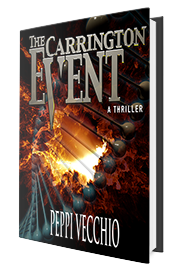
And for God’s sake, have someone else do your book cover. I’ve been working in Photoshop for 15 years. I’m efficient at doing most things, but it takes someone special to create something out of nothing. But how do you go down the road with a designer only to find you’re spending money and don’t like it?
That’s an easy fix. Have more designers chime in.
Doesn’t that cost more money?
Not if you use 99Designs.
For a good price, I had over 30 different designs by around 20 or so designers give me their best effort in a design contest. It spawned many great ideas. I finally found one that blew me away and took it along for the ride. I never would have done this good by myself. So please don’t yank in some clip-art and think you’re doing yourself a favor. Hire a professional. The book cover is most likely the first thing your prospective audience sees when they want to examine whether they’re interested or not.


 Joseph "Peppi" Vecchio